Browse
Genres
Hip-hop isn't one sound. In fifty years it split into dozens of styles, from the funk breaks of the Bronx to the booming 808s of Atlanta and the sliding basslines of London drill. These are the genres in this encyclopedia, and the artists who define them.
Alternative Hip-Hop
Boom-Bap
Conscious Hip-Hop

Dirty South
Drill
G-Funk
Gangsta Rap
Grime
Hip-Pop
Jazz Rap
Melodic Rap
Mumble Rap
Neo-Soul
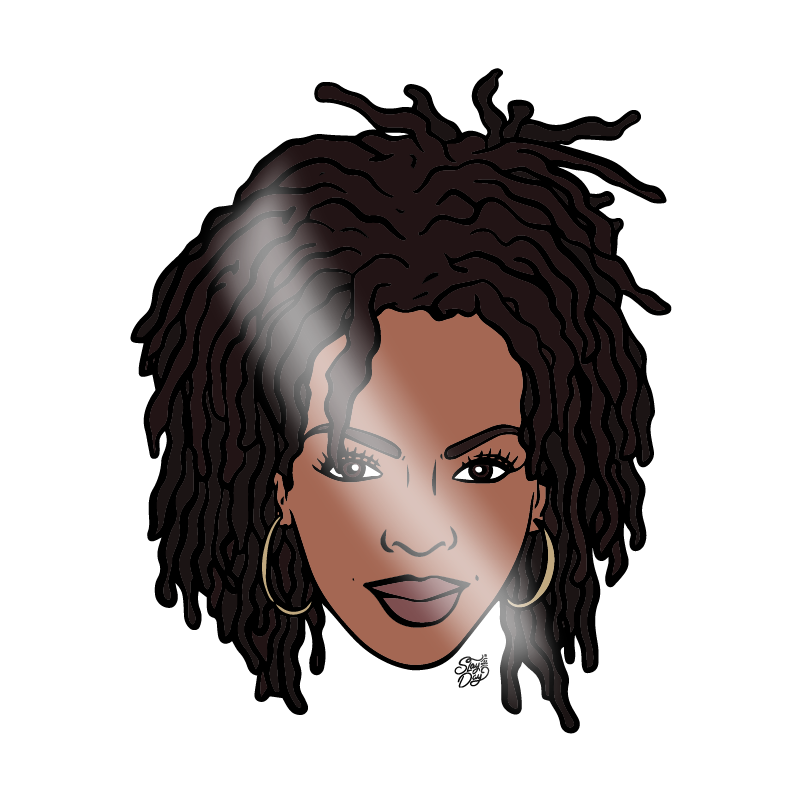
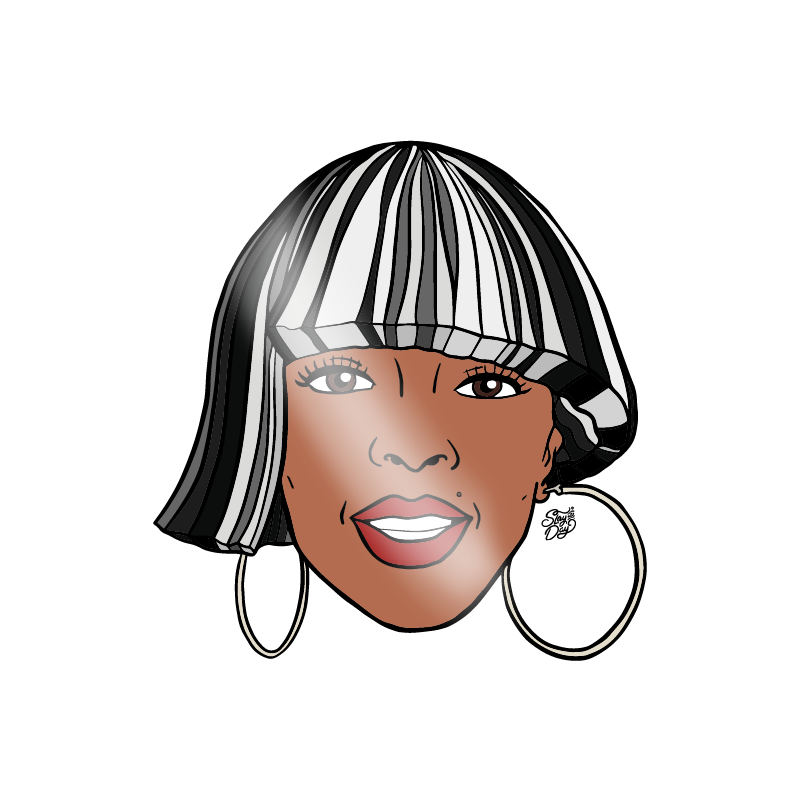
Old School
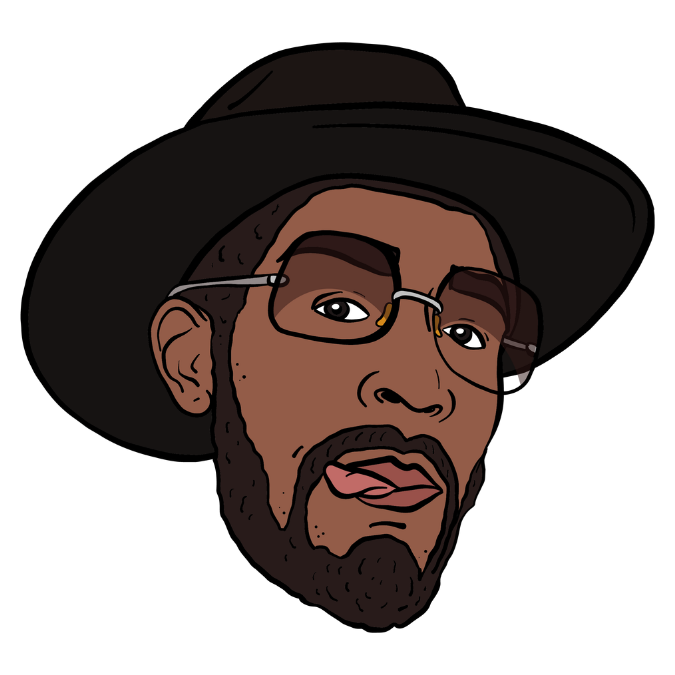
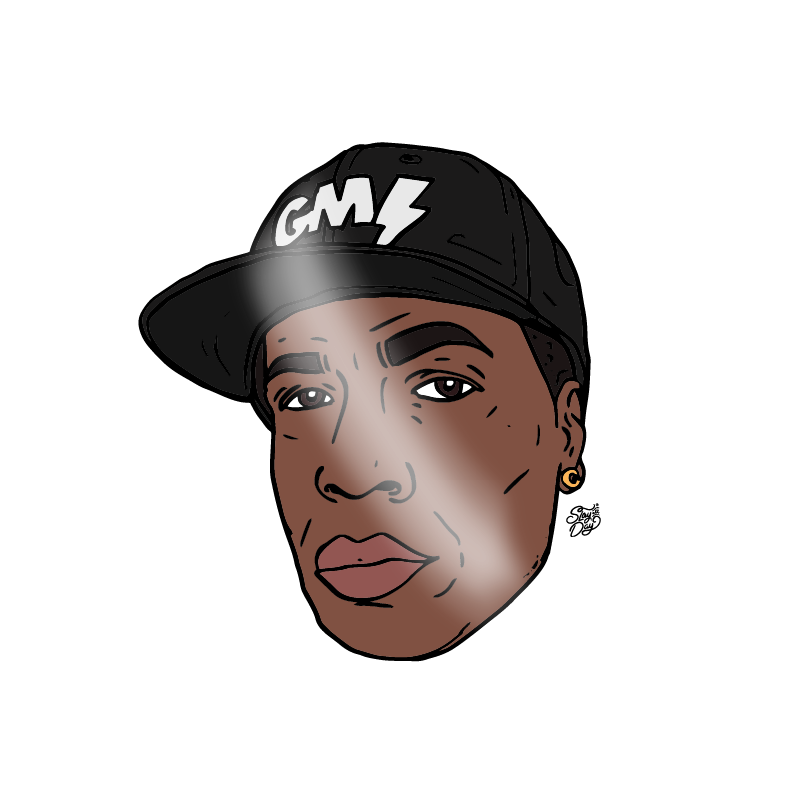
Rap Rock
Trap

How the genres connect
The foundation. It all starts with old school: DJs, breakbeats and party rhymes in the Bronx. From there, samplers gave New York boom-bap, crate-diggers found jazz rap, and artists like Public Enemy and KRS-One made conscious hip-hop the voice of the streets and the classroom.
The street. Gangsta rap took the stories from the corner to the charts. On the West Coast it turned into the laid-back funk of G-funk, in the South into trap, and in Chicago into drill, which traveled on to London and New York. In the UK, grime grew out of pirate radio and garage.
Melody and crossover. Hip-pop brought rap to every radio, and neo-soul married it to classic soul. In the 2000s and 2010s melodic rap blurred the line between rapping and singing, and mumble rap put flow and vibe ahead of words.
Outside the box. Alternative hip-hop is home to everyone who does it their own way, from De La Soul and OutKast to Tyler, the Creator, and rap rock brought hip-hop and guitars together, from Run-DMC to the Beastie Boys.
How genres work in this encyclopedia
Many artists fit more than one style, so an artist can have several genres; the first one is their main genre. That main genre decides their slice on the genre wheel of the Hip-Hop Map. And when an artist is filed under hip-pop, that simply means they made plenty of mainstream hits. It doesn't make them any less hip-hop.
Want to see how the genres grew out of each other over time? Read the history of hip-hop.