Hip-hop history · Timeline
The History of Hip-Hop: From the Bronx to the World
Hip-hop was born on August 11, 1973, at a party DJ Kool Herc threw at 1520 Sedgwick Avenue in the Bronx, New York. In the fifty years that followed it spread from New York to Compton, Atlanta, Chicago, Toronto and London, and became the most popular music in the world. Scroll down and watch it happen, one place and one generation at a time.
Scroll to start ↓
1973 The birth of hip-hop in the Bronx
The Bronx, New York · Old School
On August 11, 1973, DJ Kool Herc plays his sister's back-to-school party at 1520 Sedgwick Avenue. He loops the drum breaks of funk records with two copies of the same song, and the dancers go wild. That night is seen as the birth of hip-hop: DJing, MCing, breaking and graffiti, all from one borough.
1975–1979 Grandmaster Flash and the Bronx DJs
The Bronx, New York · Old School
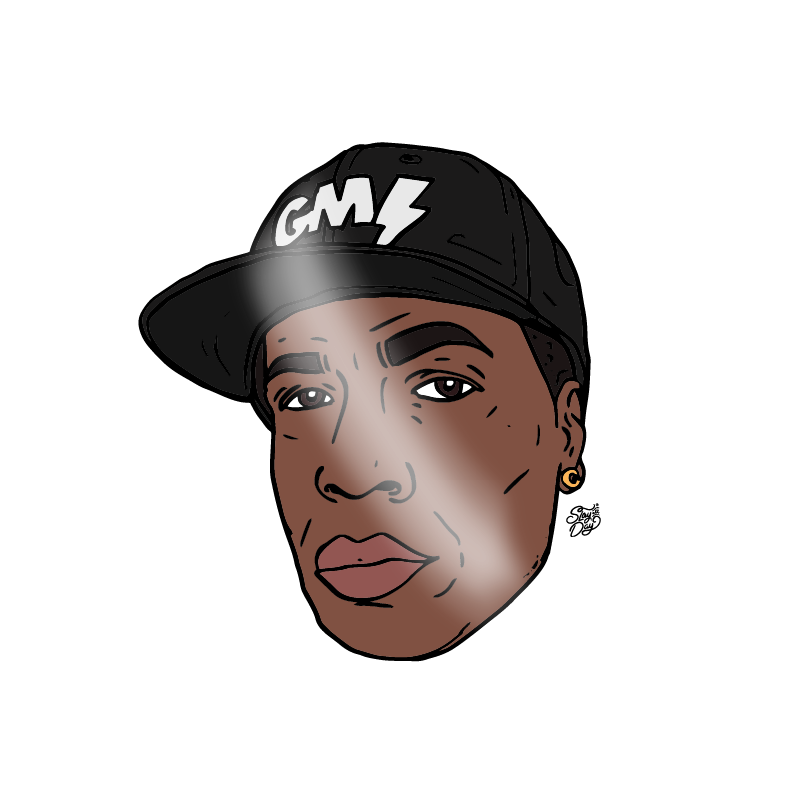
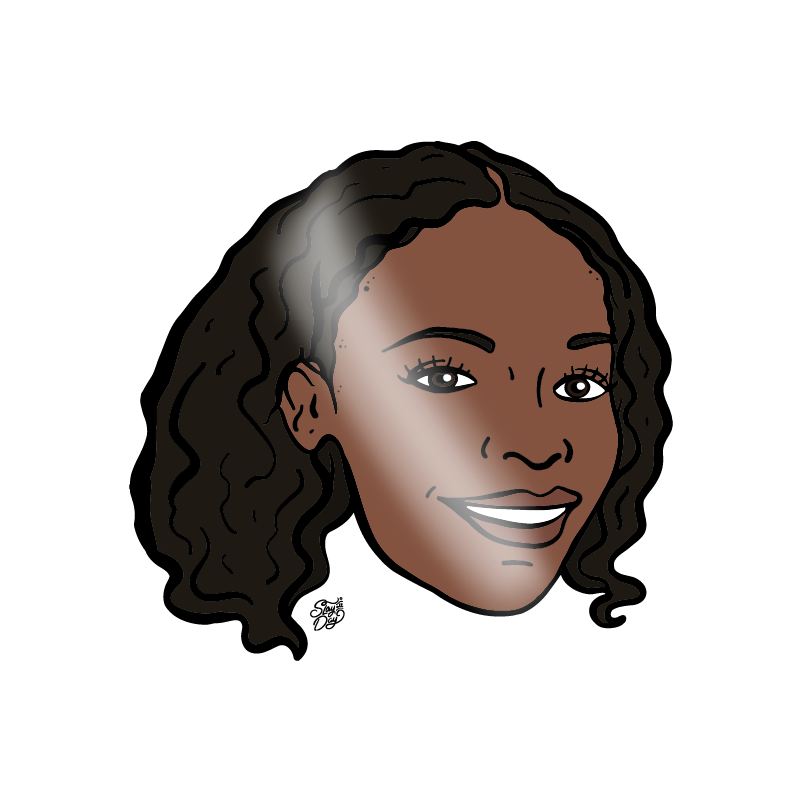
Block parties spread across the Bronx. Grandmaster Flash turns the turntable into an instrument with cutting and backspinning, and MCs step forward to rhyme over the breaks. Sha Rock of the Funky 4 + 1 becomes one of the first female MCs.
1979 “Rapper's Delight”, the first rap hit
Englewood, New Jersey · Old School
The Sugarhill Gang, put together by Sylvia Robinson of Sugar Hill Records, release “Rapper's Delight”. It's the first rap hit, and the moment rap becomes a record instead of only a party.
1982 “The Message” and the start of conscious rap
The Bronx, New York · Conscious Hip-Hop
Grandmaster Flash and the Furious Five release “The Message”, a grim picture of life in the inner city. Rap proves it can tell the truth, not just move a crowd. Conscious hip-hop starts here.
1984–1986 Run-DMC, Def Jam and rap rock
Hollis, Queens · Rap Rock
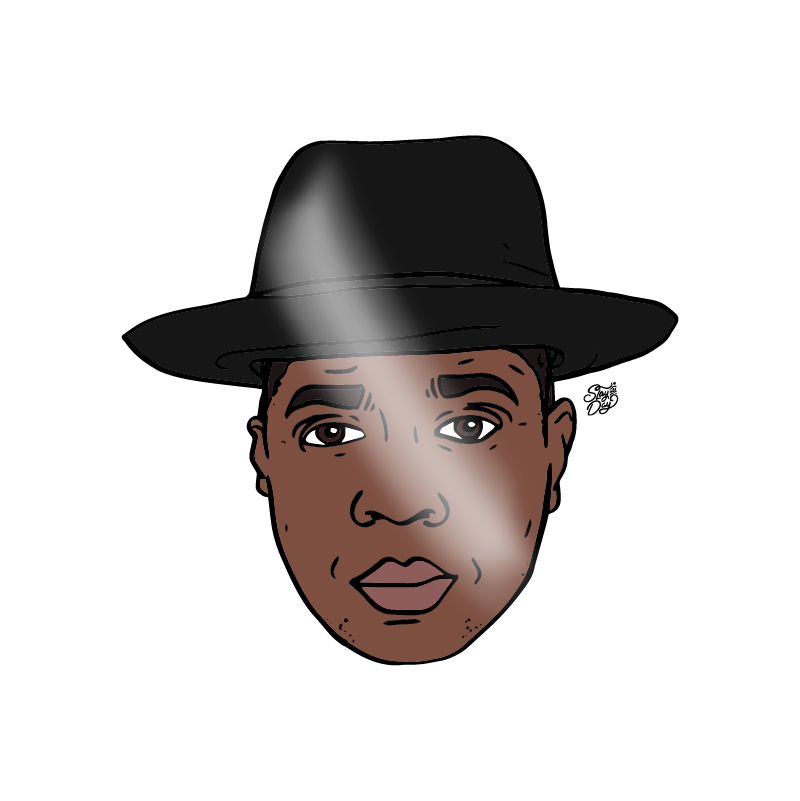
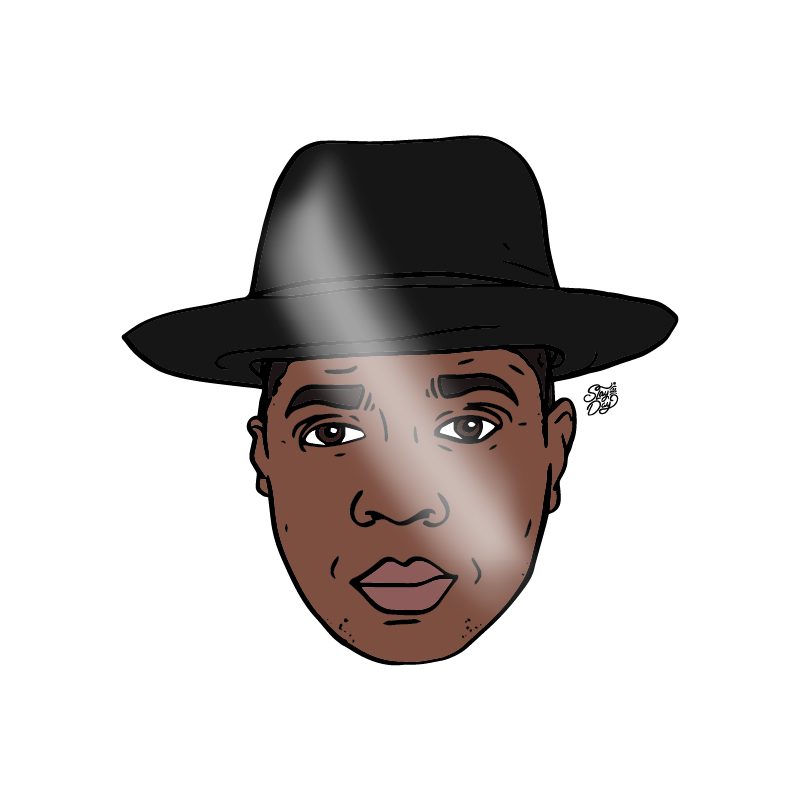
Run-DMC trade disco for hard drums, rock guitars and leather jackets, and their “Walk This Way” with Aerosmith breaks rap on MTV. Def Jam launches LL Cool J and the Beastie Boys, whose Licensed to Ill becomes the first rap album to top the US charts. In Queensbridge, 14-year-old Roxanne Shanté starts the Roxanne Wars.
1986–1988 The golden age of hip-hop begins
New York and Long Island · Boom-Bap
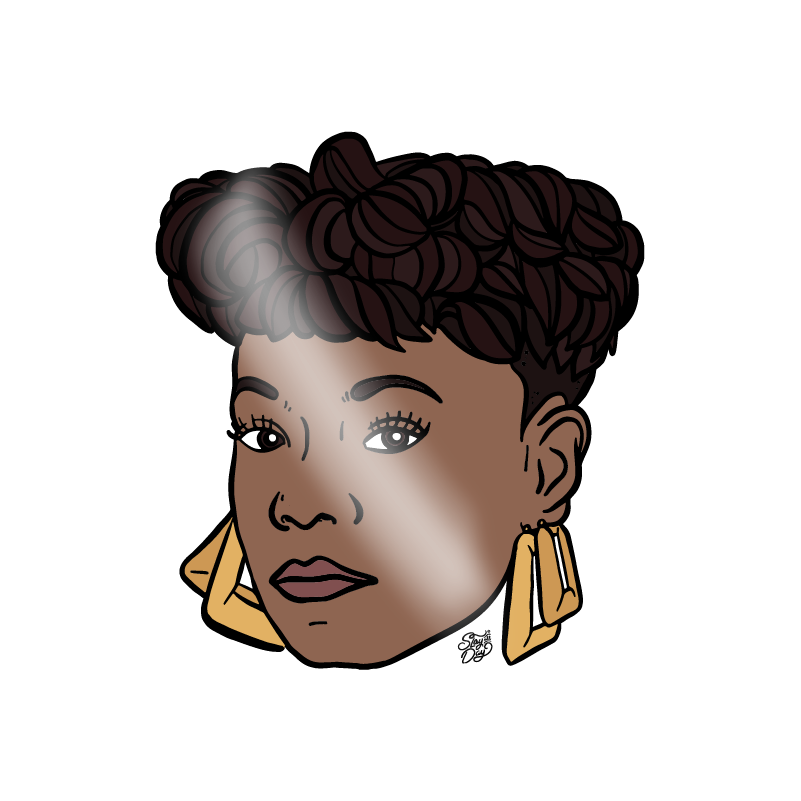
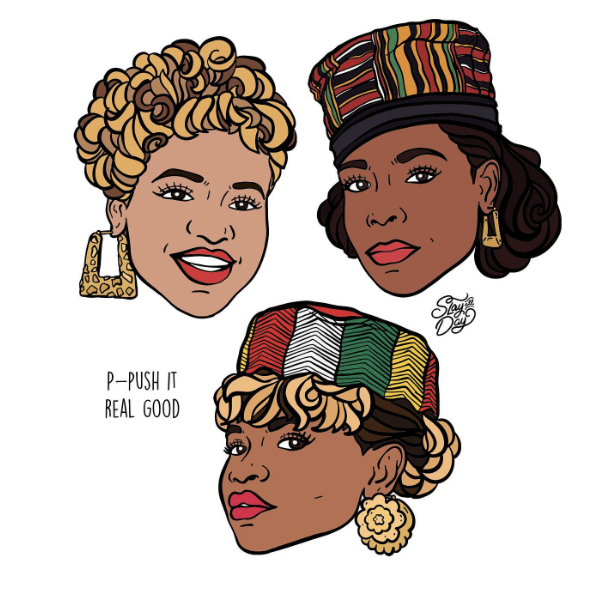
Samplers let producers build beats from old records, and the lyrics get sharper. Rakim changes rapping with Paid in Full, KRS-One and Boogie Down Productions bring the knowledge, and Public Enemy make rap political. Big Daddy Kane, Slick Rick, Kool G Rap, MC Lyte and Salt-N-Pepa raise the bar.
1989 The Native Tongues and jazz rap
Long Island and New York · Jazz Rap
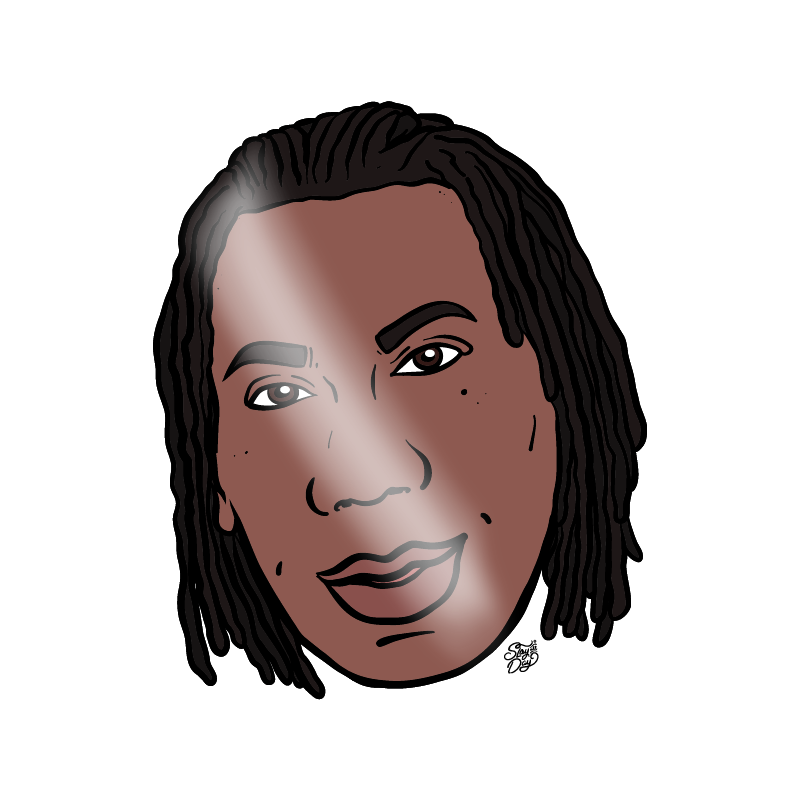
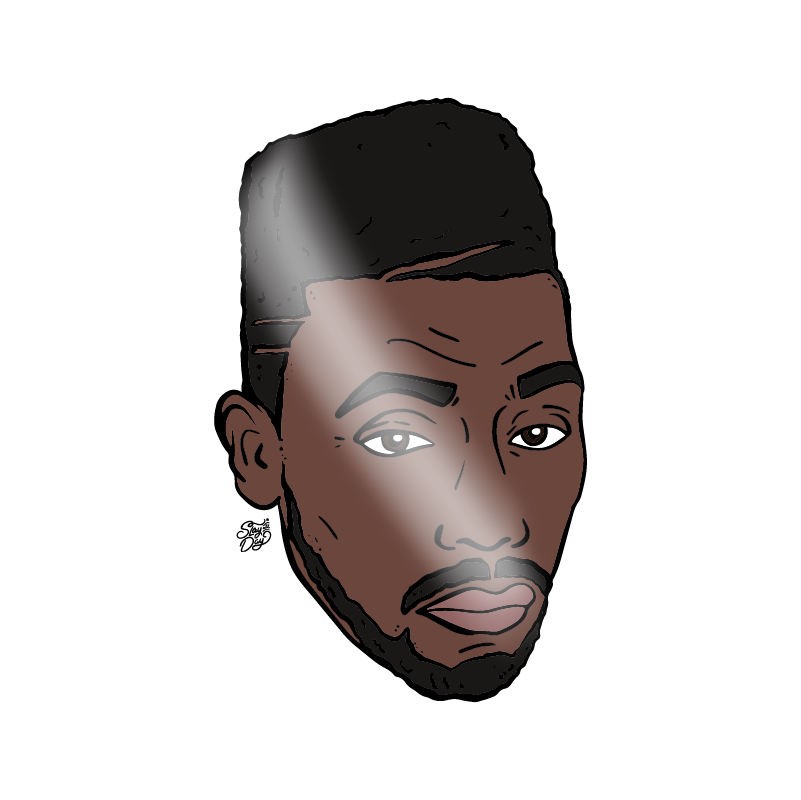
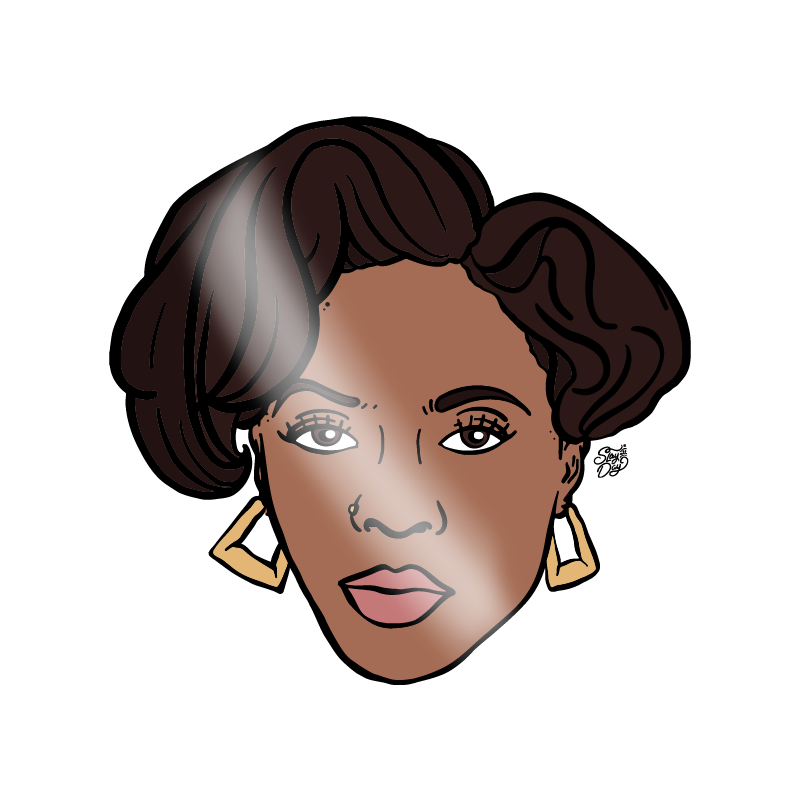
De La Soul's 3 Feet High and Rising, A Tribe Called Quest and the Jungle Brothers bring jazz, humor and color to hip-hop. Together with Queen Latifah they form the Native Tongues, the start of alternative and jazz rap.
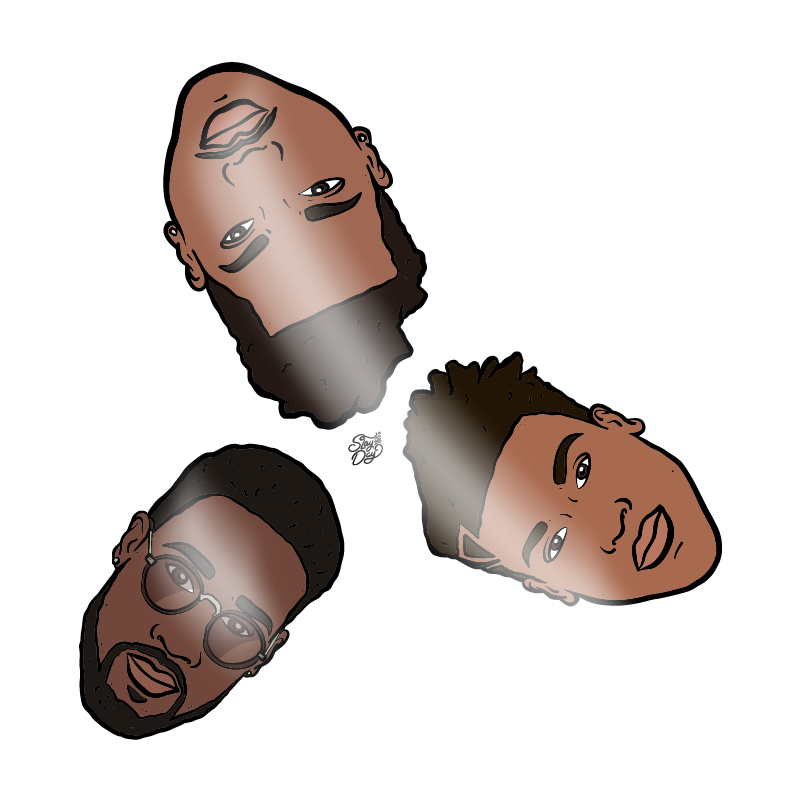
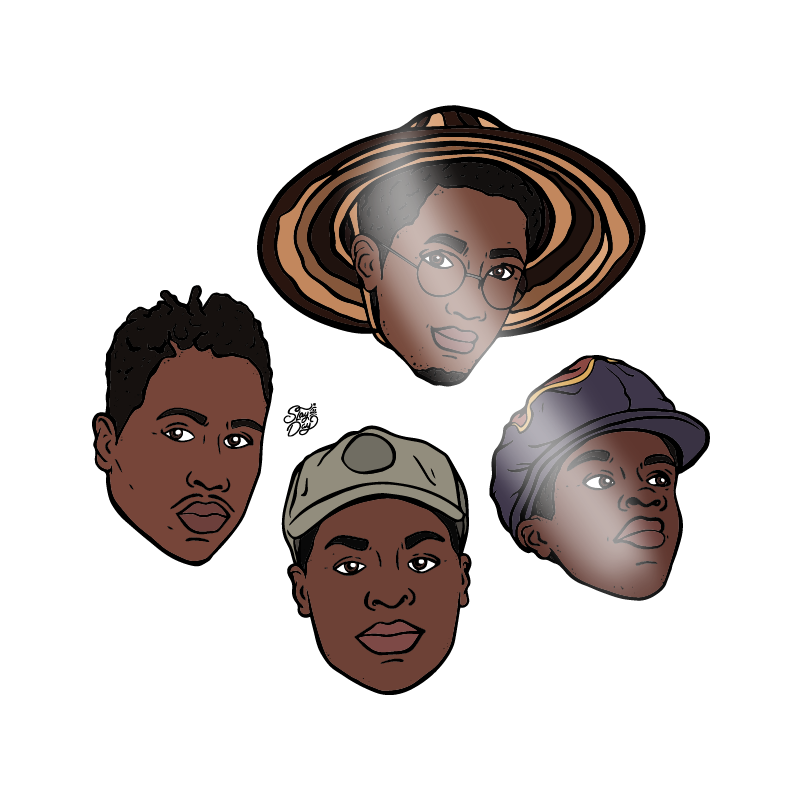
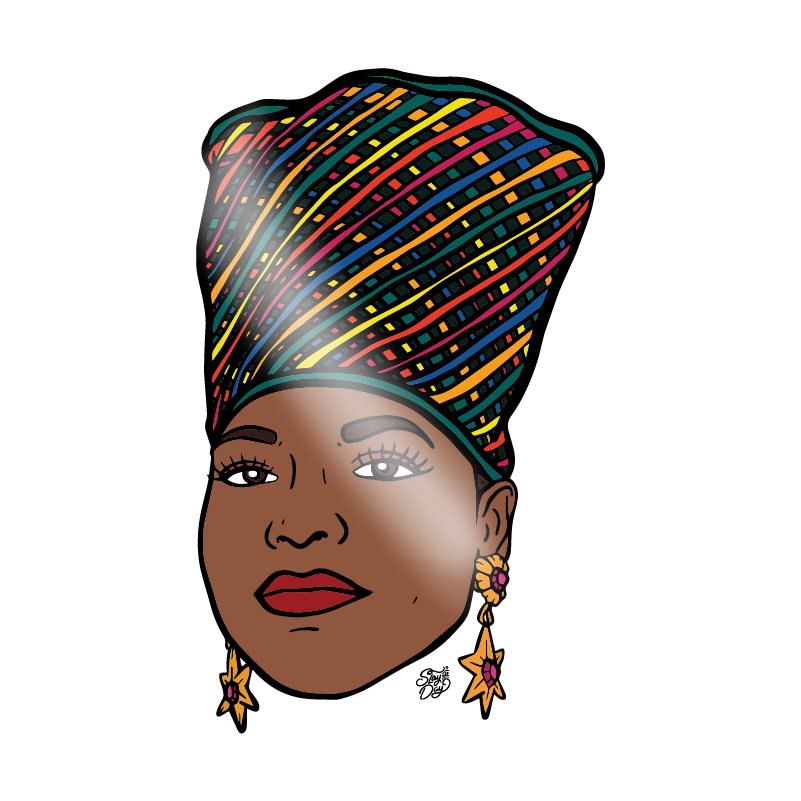
1989–1991 Southern rap: the Geto Boys and Miami bass
Houston and Miami · Gangsta Rap
Far from New York, the South builds its own scenes. The Geto Boys put Houston on the map with dark street stories, and in Miami 2 Live Crew make bass music that shakes the whole country.
1991–1993 Dr. Dre, Snoop Dogg and G-funk
Long Beach and Los Angeles · G-Funk
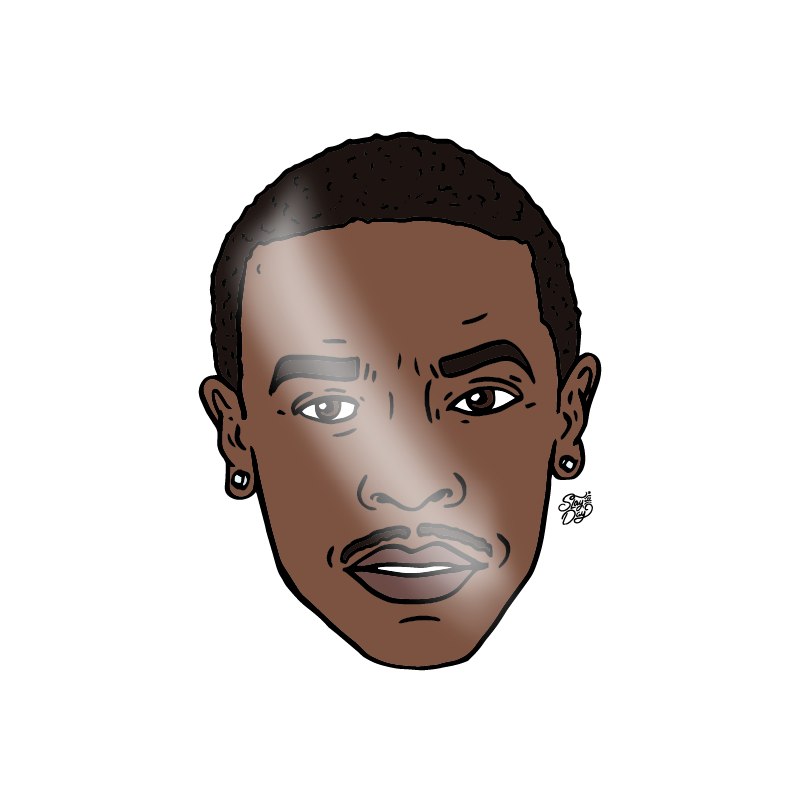
Dr. Dre founds Death Row Records and releases The Chronic, with a laid-back new sound built on '70s funk. Snoop Dogg's Doggystyle perfects it. Cypress Hill, from South Gate, add Latino flavor and rock.
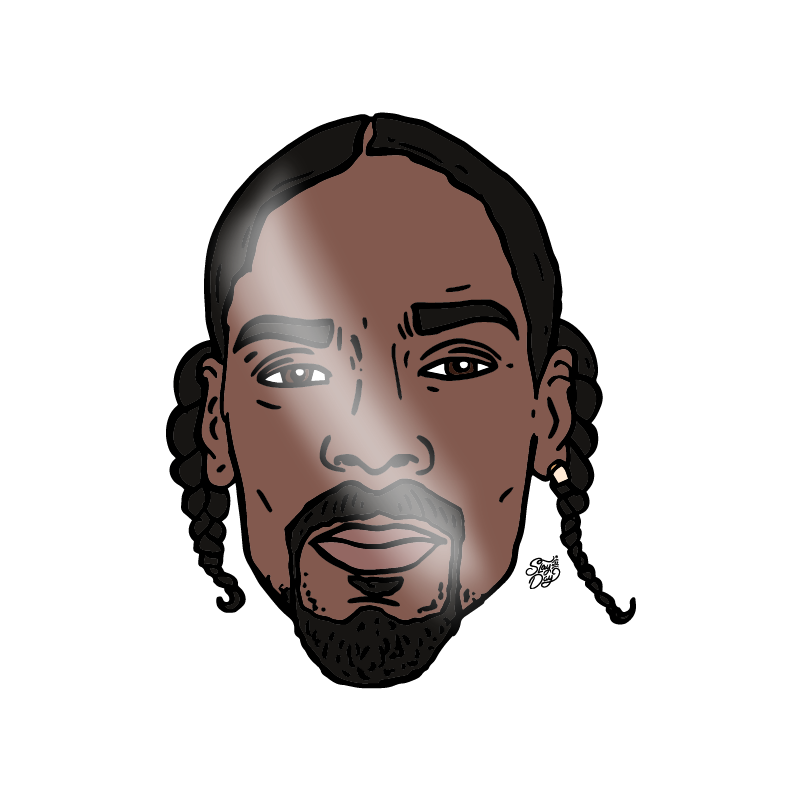
1993–1995 New York's golden era: Wu-Tang, Nas and Biggie
New York City · Boom-Bap
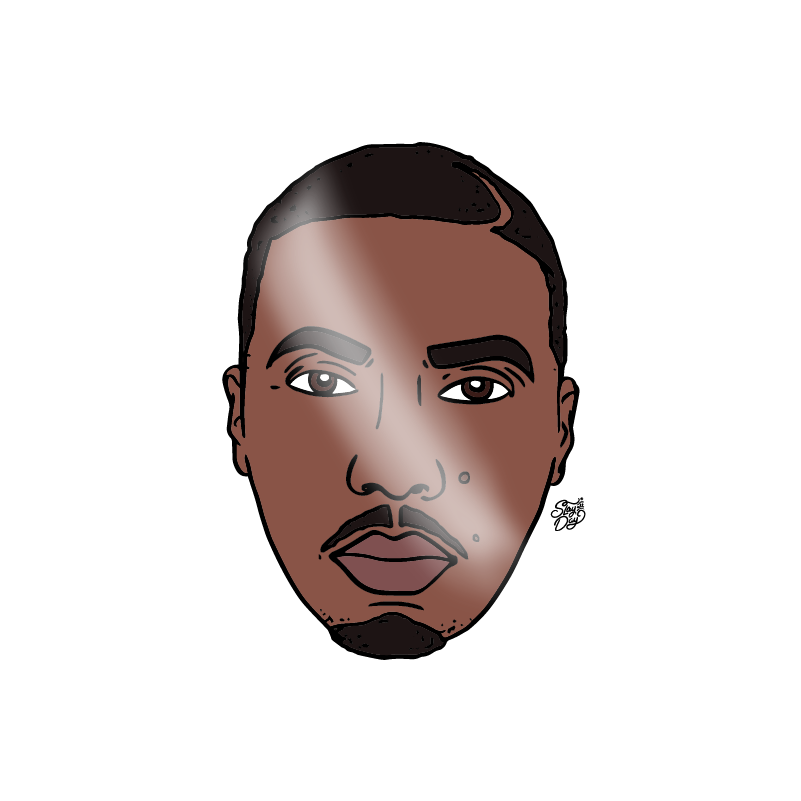
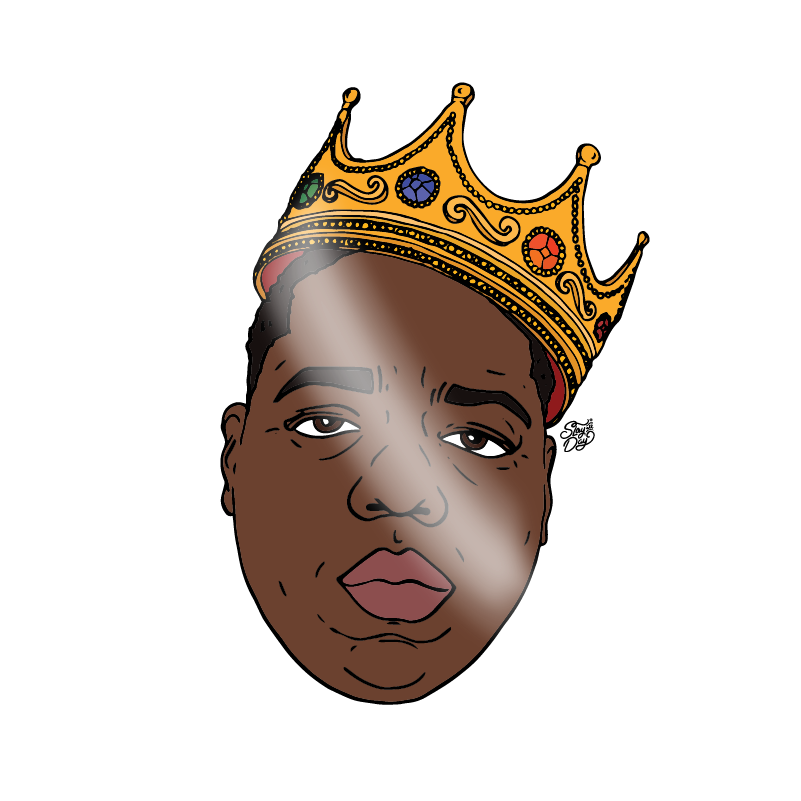
In two years New York releases a stack of classics: Wu-Tang Clan from Staten Island, Nas's Illmatic from Queensbridge, The Notorious B.I.G.'s Ready to Die from Brooklyn and Mobb Deep's The Infamous. Gang Starr, Jeru The Damaja and Naughty by Nature complete the golden age.
1995–1997 The East Coast vs. West Coast rivalry
Los Angeles, Las Vegas and New York · Gangsta Rap
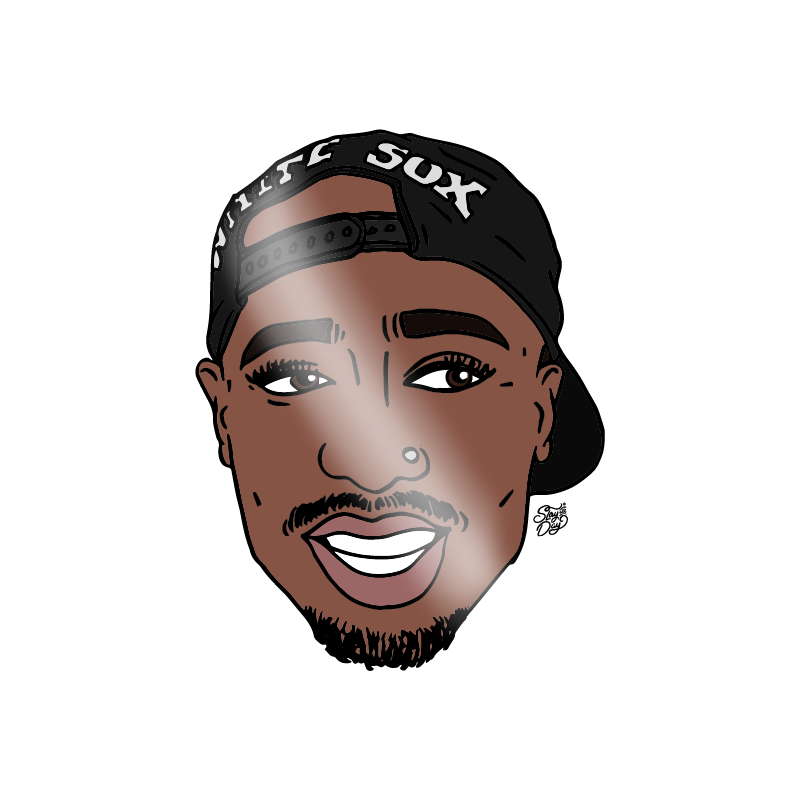
The rivalry between Death Row and Bad Boy, between Tupac and The Notorious B.I.G., dominates the headlines. It ends in tragedy: Tupac is shot in Las Vegas in 1996, Biggie in Los Angeles in 1997.
1994–1998 OutKast and Atlanta: “The South got something to say”
Atlanta, Georgia · Alternative Hip-Hop
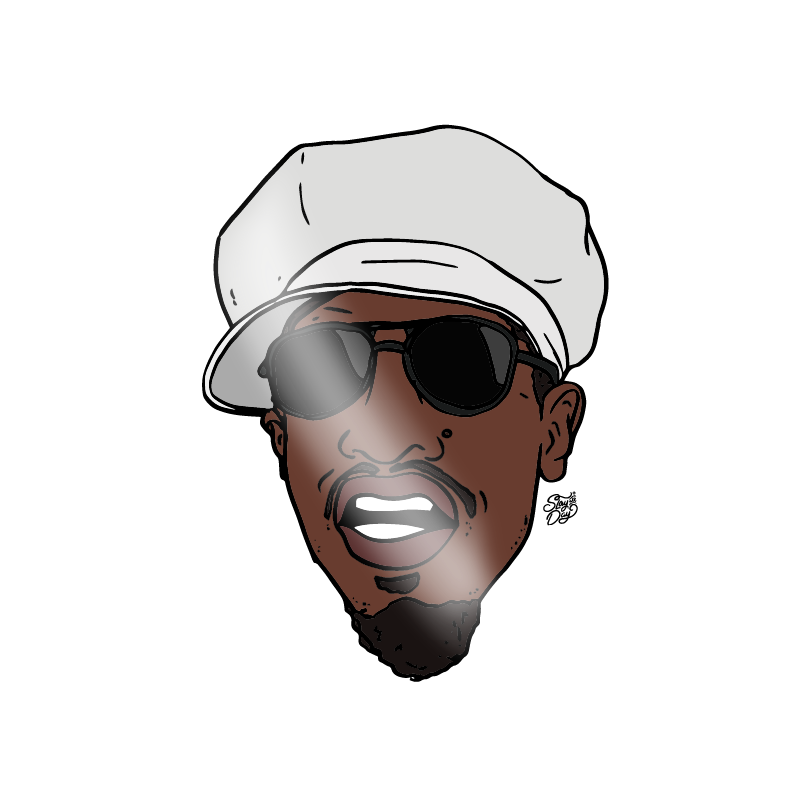
OutKast win Best New Rap Group at the 1995 Source Awards, and André 3000 tells a booing New York crowd that the South has something to say. Aquemini proves it. TLC rule the charts from the same city.

1996–1999 The Dirty South: Cash Money, No Limit and Three 6 Mafia
New Orleans, Memphis and Houston · Gangsta Rap
Independent labels from the South sell millions. Cash Money in New Orleans, with a teenage Lil Wayne in the Hot Boys, and Master P's No Limit. Three 6 Mafia in Memphis and DJ Screw's slowed-down sound in Houston shape what trap will become.
1996–2001 Timbaland, Missy Elliott and the Neptunes
Virginia · Hip-Pop
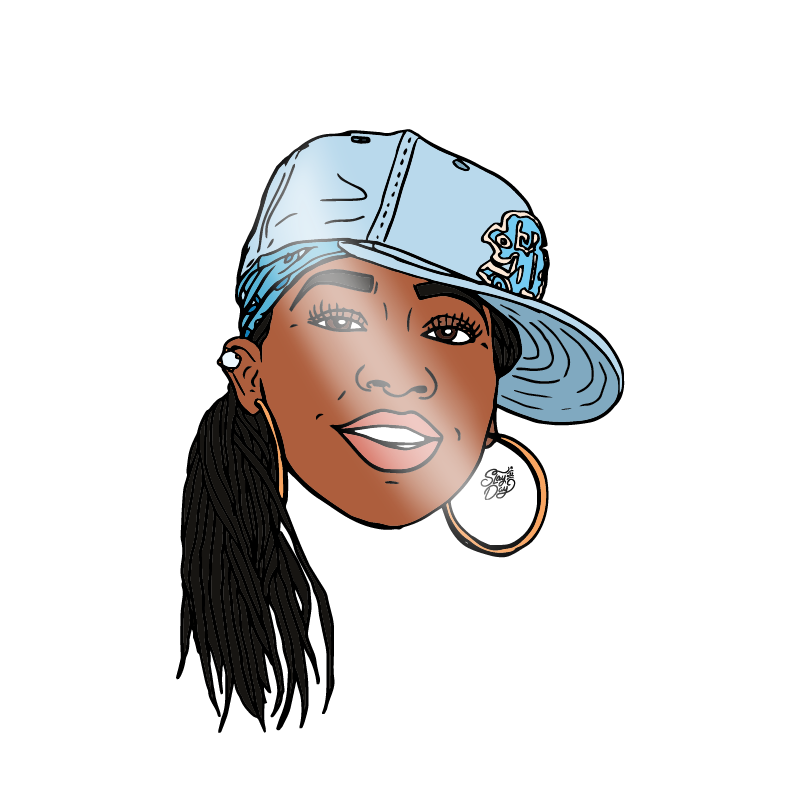
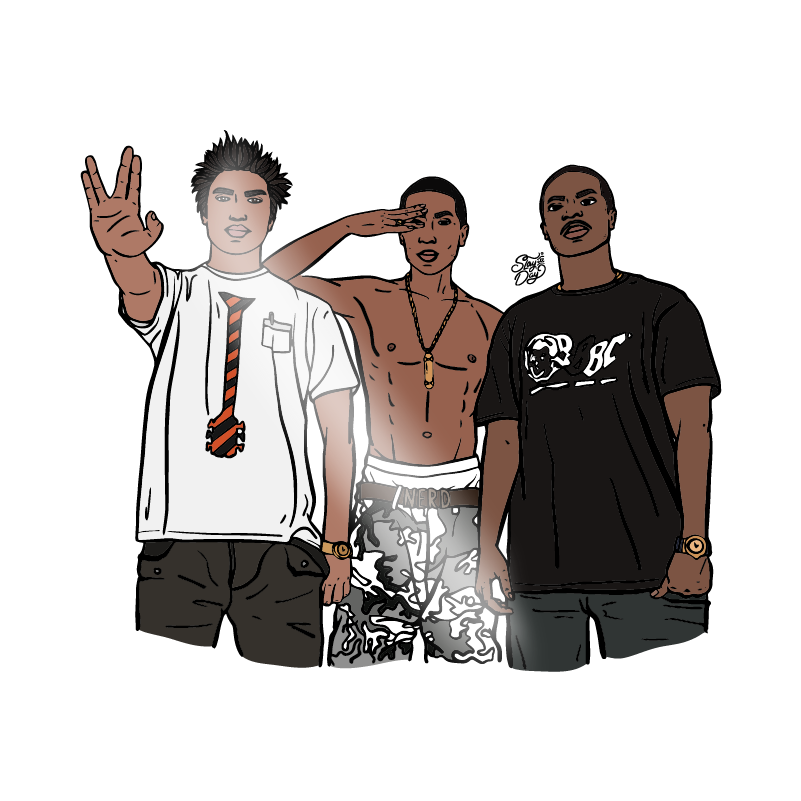
From Virginia, Timbaland and Missy Elliott make beats nobody has heard before, and the Neptunes with N.E.R.D. follow. Hip-hop and R&B become the sound of pop radio.
1996–2000 Lauryn Hill, the Fugees and neo-soul
New Jersey, Philadelphia and Dallas · Neo-Soul
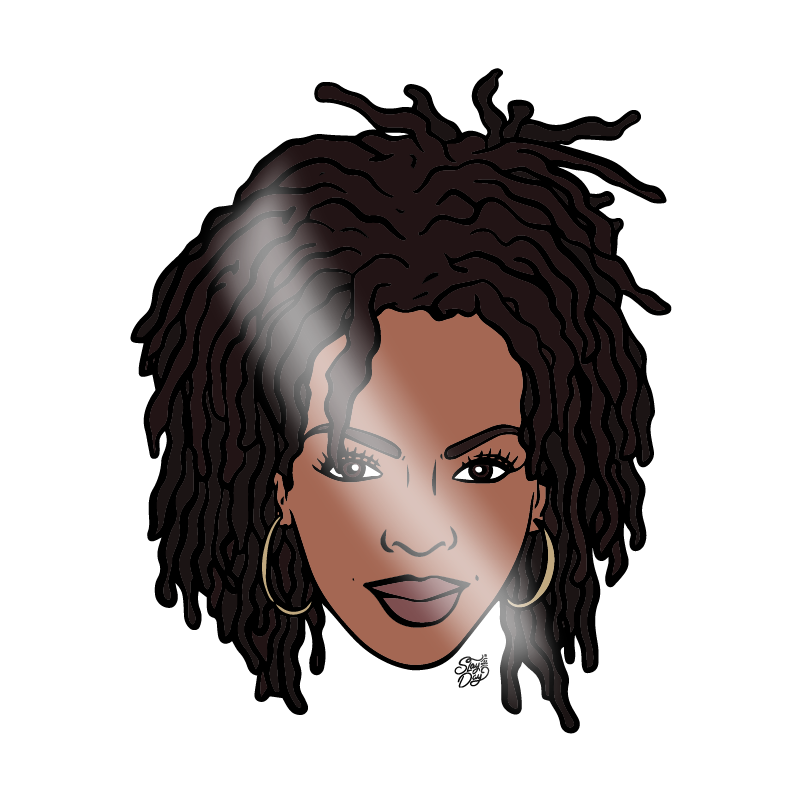
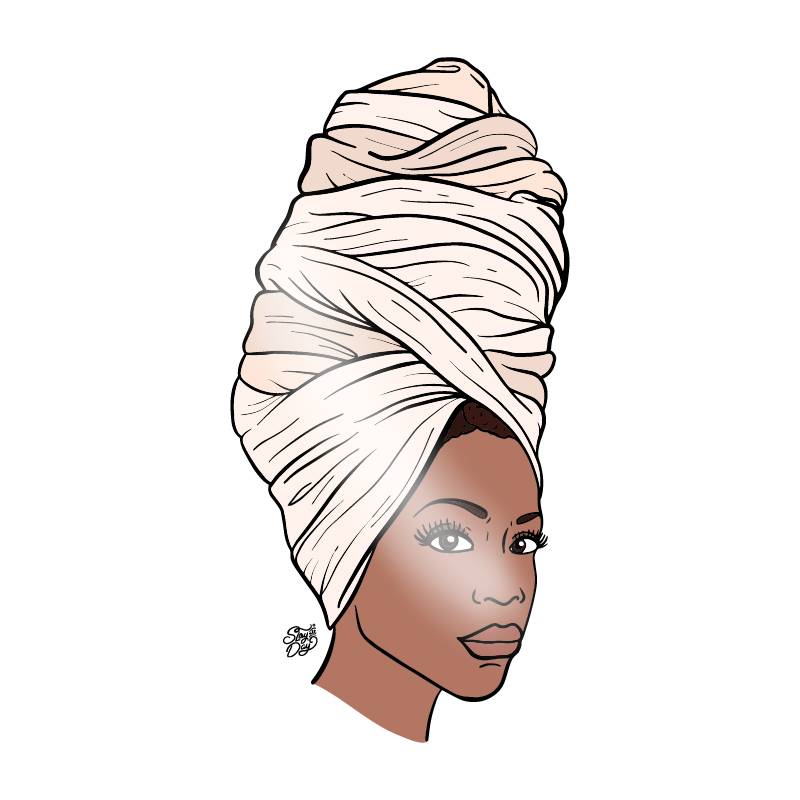
The Fugees release The Score, and Lauryn Hill's Miseducation becomes the first hip-hop album to win the Grammy for Album of the Year. Erykah Badu and The Roots lead the neo-soul movement, and Black Star and Mos Def carry conscious rap forward.
1999–2004 The Midwest rises: Eminem, Kanye West and J Dilla
Detroit, Chicago and St. Louis · Alternative Hip-Hop
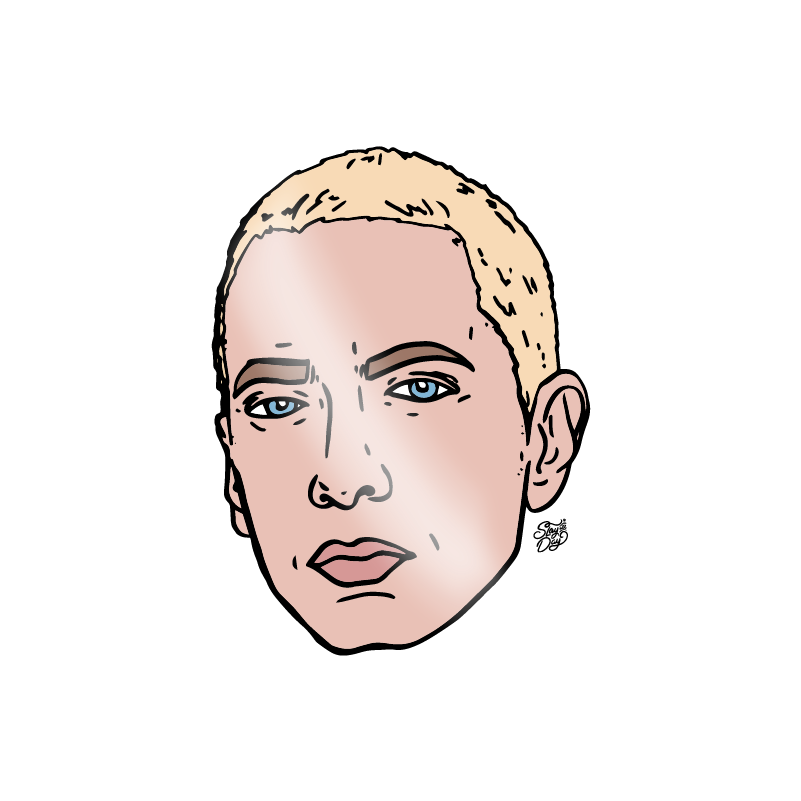
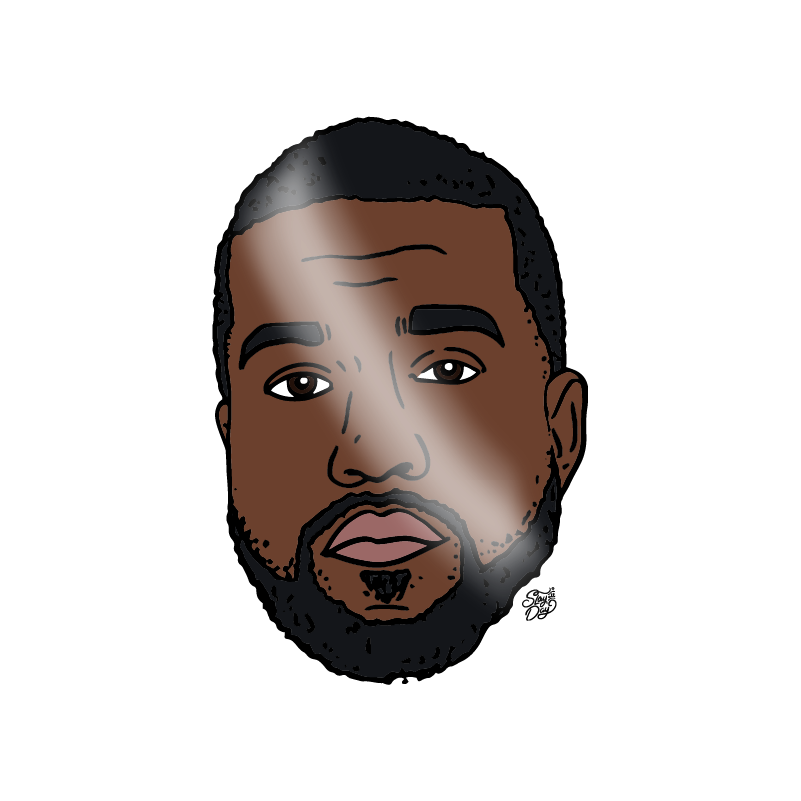
Eminem from Detroit becomes the best-selling rapper in the world, while J Dilla changes how beats feel. Common and Kanye West put Chicago on top with The College Dropout, and Nelly's Country Grammar puts St. Louis on the charts.
2001–2003 Jay-Z, 50 Cent and the hip-hop moguls
New York City · Gangsta Rap
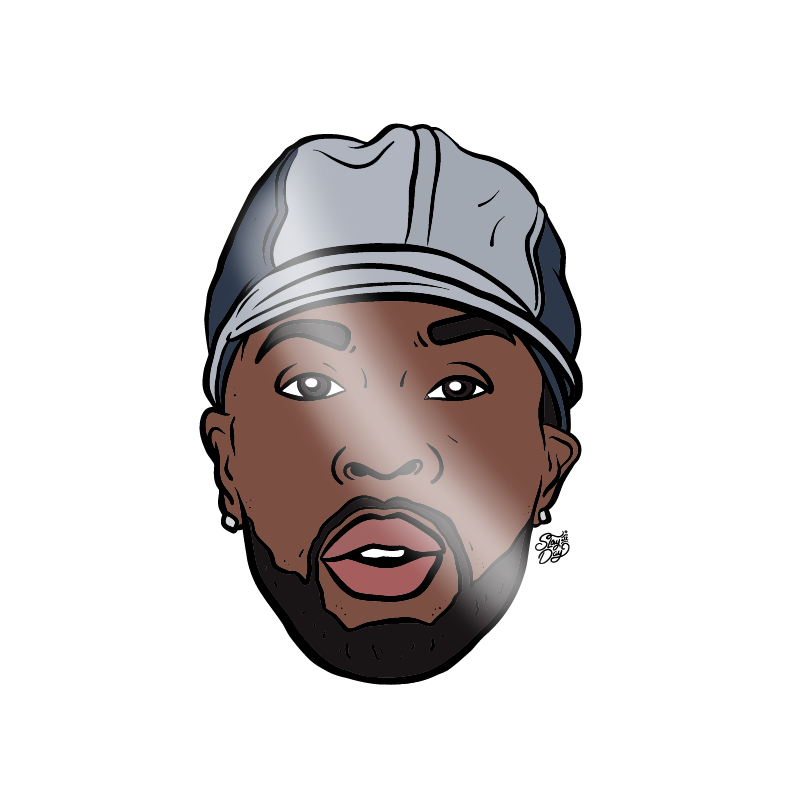
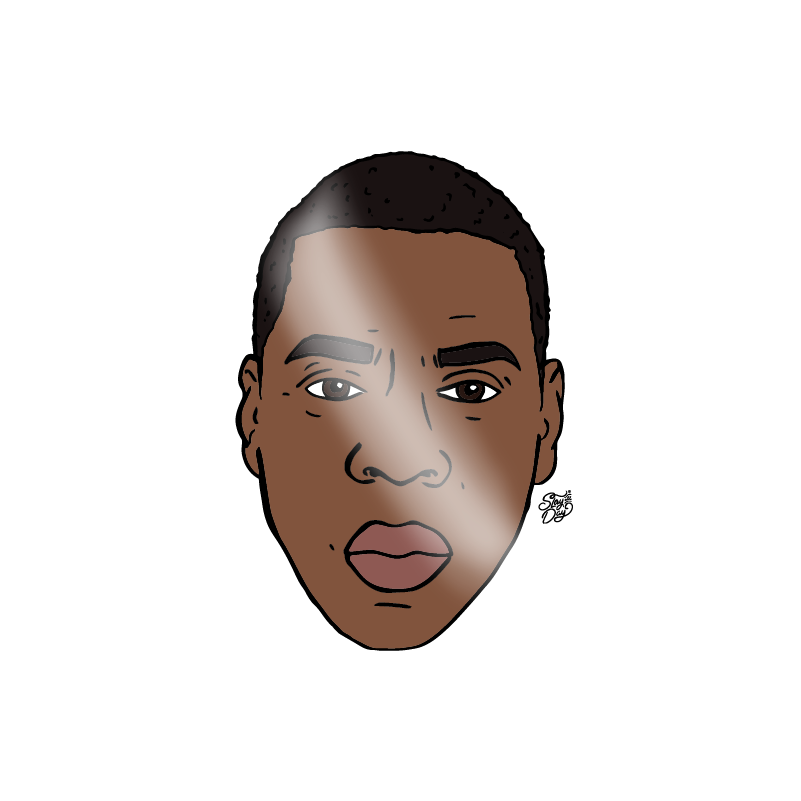
Jay-Z's The Blueprint makes soul samples hot again, and 50 Cent's Get Rich or Die Tryin' becomes a phenomenon. Rappers turn into moguls and brands.
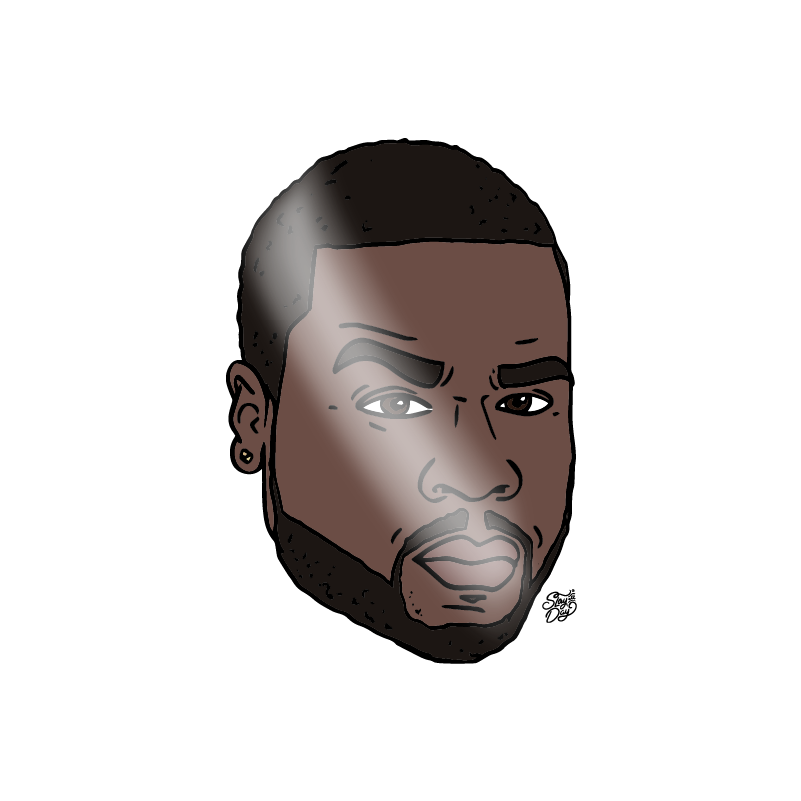
2003–2019 Grime and UK rap in London
London · Grime
Across the Atlantic, Dizzee Rascal and Wiley turn London pirate radio into grime. Skepta and Stormzy take it to the top, and Dave and Little Simz win the Mercury Prize with deep, personal UK rap.
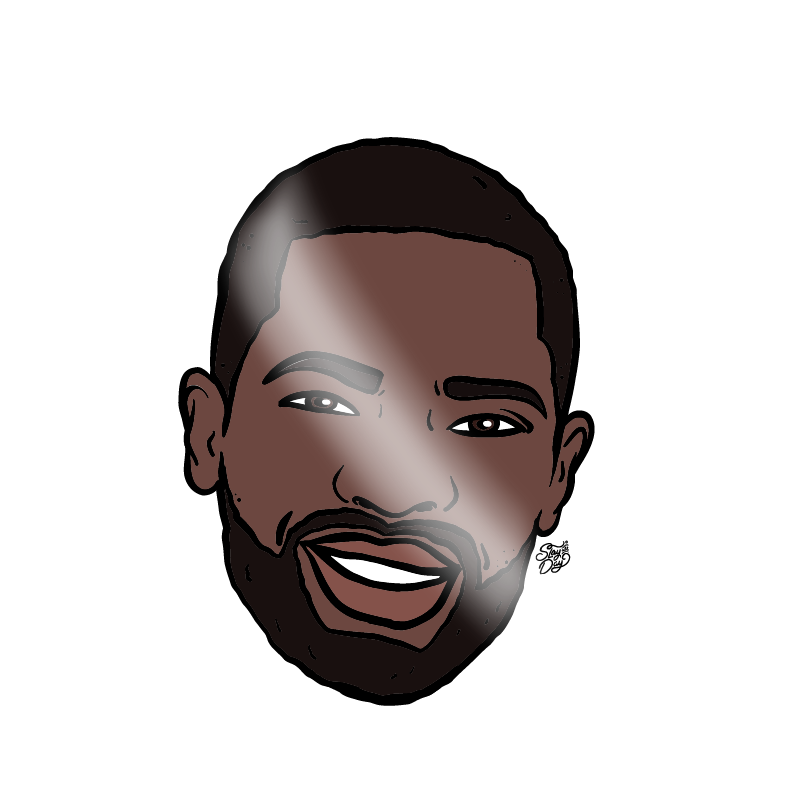
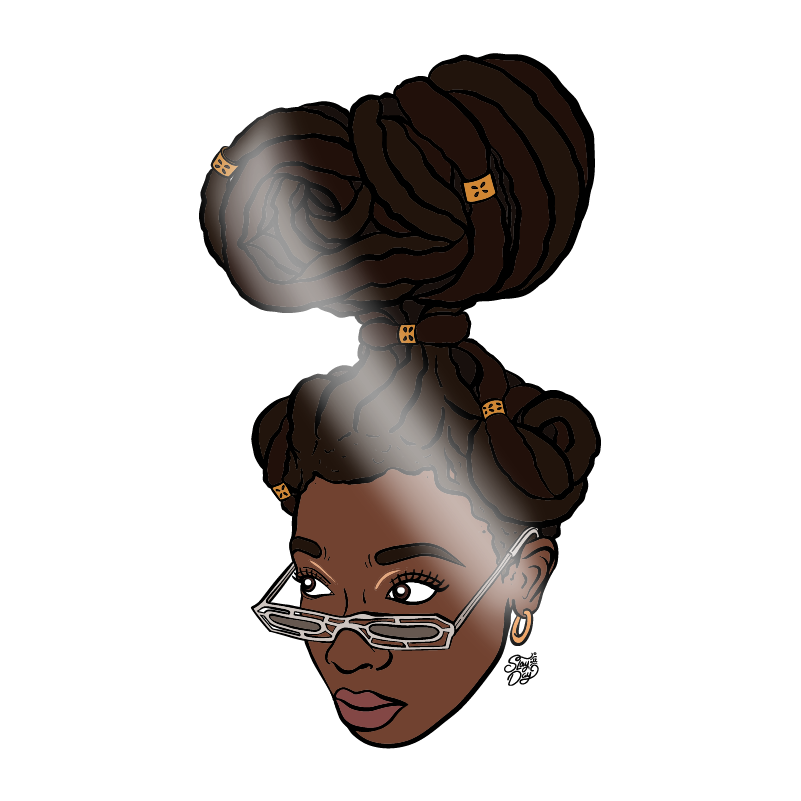
2008–2011 Drake, Kanye West and melodic rap
Toronto and Chicago · Melodic Rap
Kanye West's 808s & Heartbreak and Kid Cudi blur the line between rapping and singing. Drake takes the formula to Toronto and becomes the biggest artist of his generation.
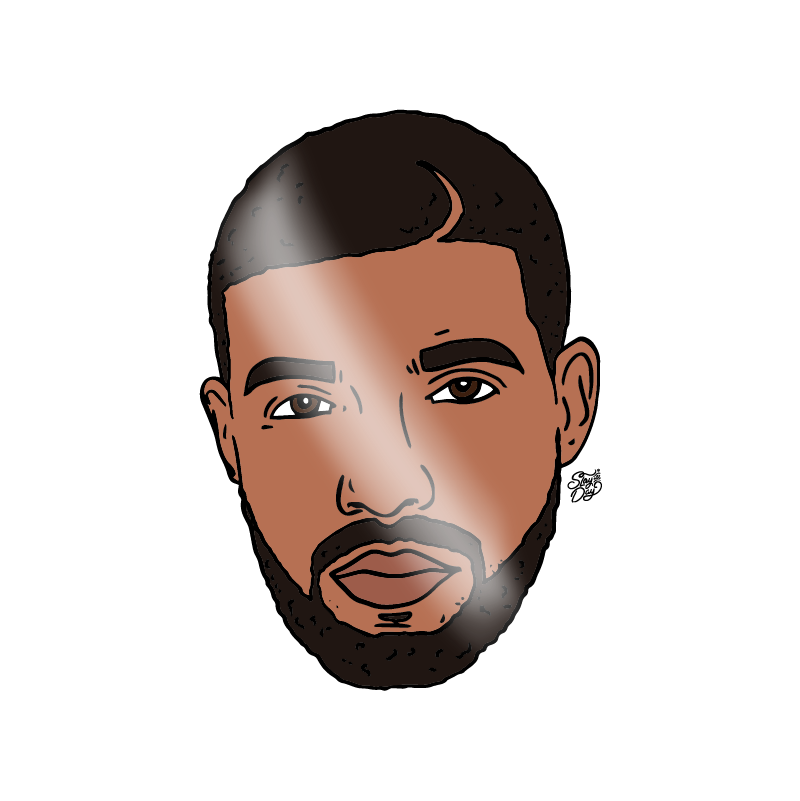
2010–2012 Odd Future, A$AP Rocky and Kendrick Lamar
Los Angeles and Harlem · Alternative Hip-Hop
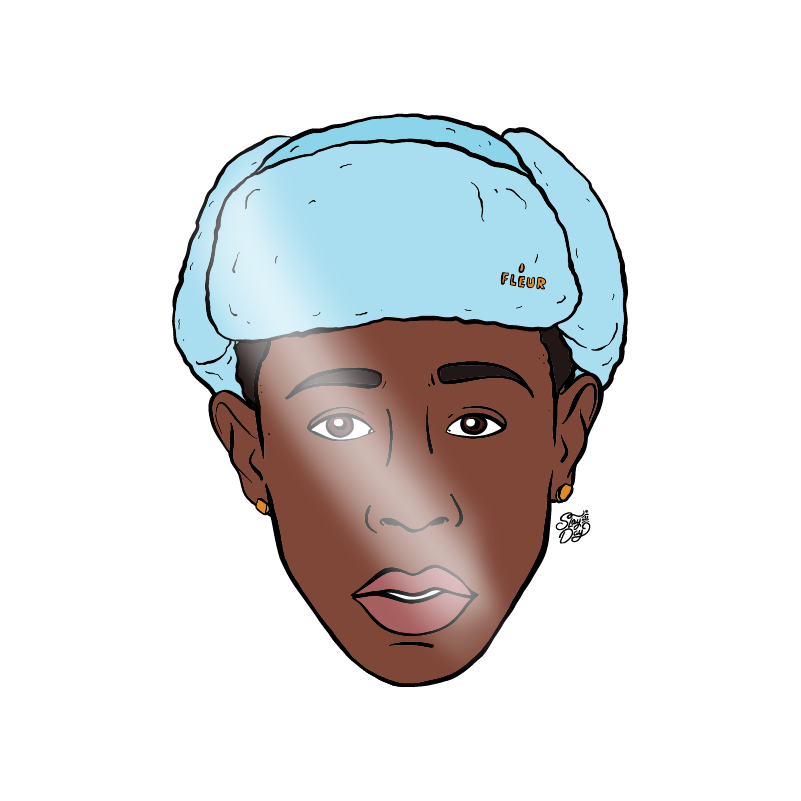
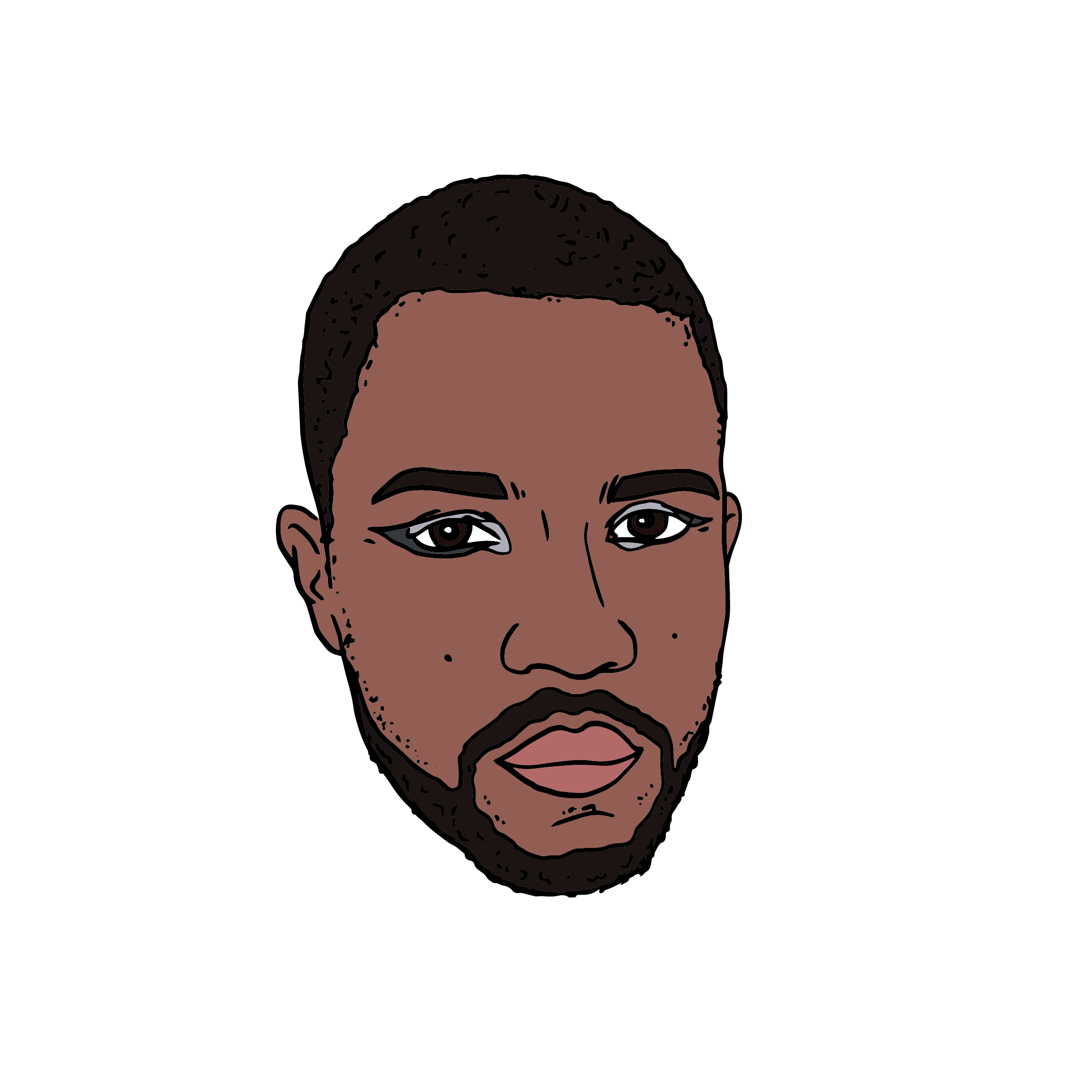
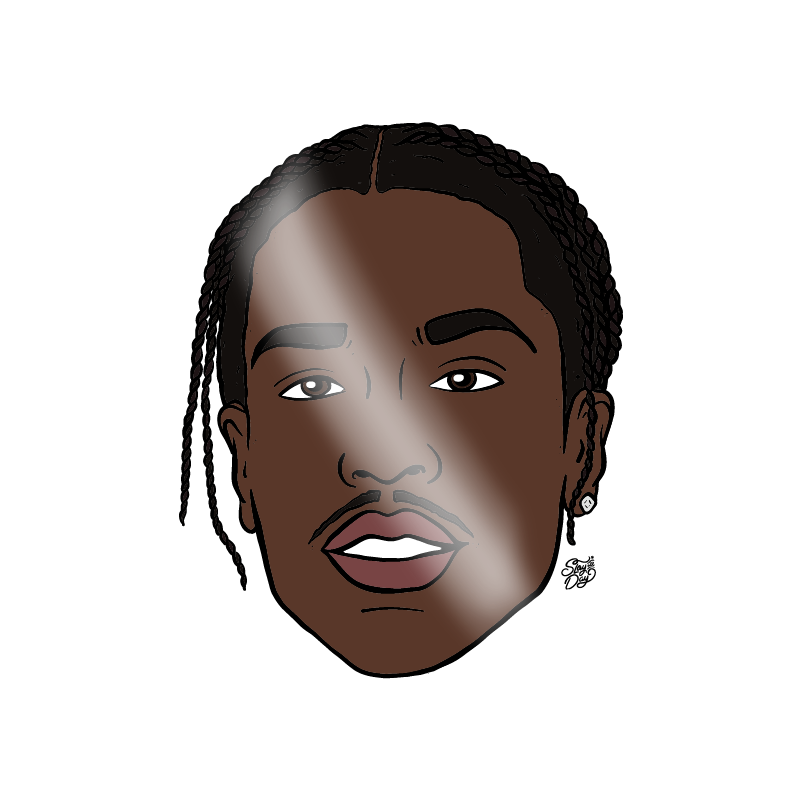
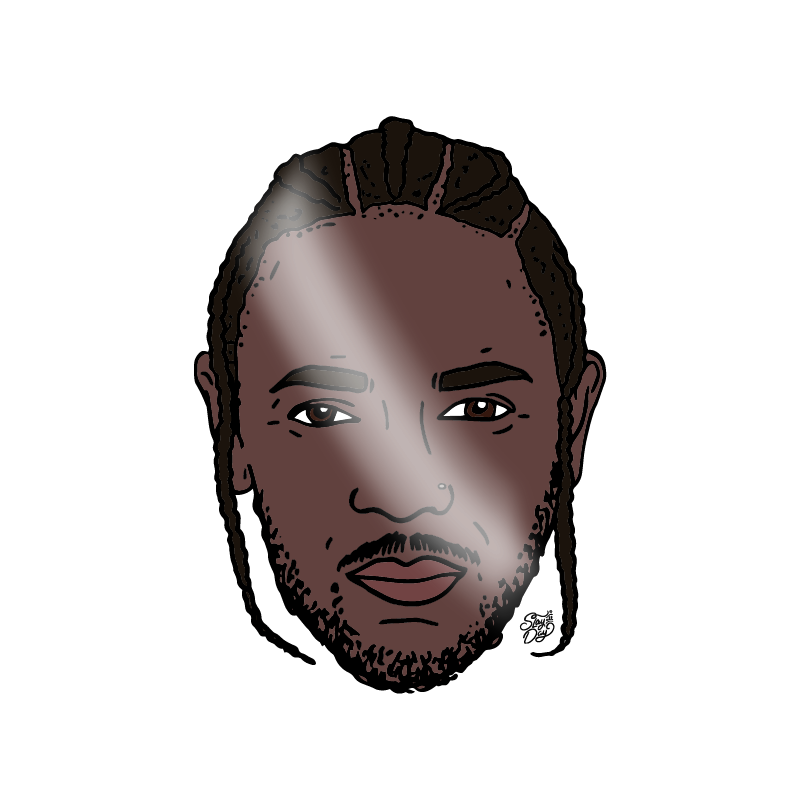
Odd Future, with Tyler, the Creator and Frank Ocean, shake up Los Angeles. A$AP Rocky brings Harlem swagger, and Kendrick Lamar's good kid, m.A.A.d city makes Compton the center of rap again.
2012 Chief Keef and the birth of drill in Chicago
Chicago, Illinois · Drill
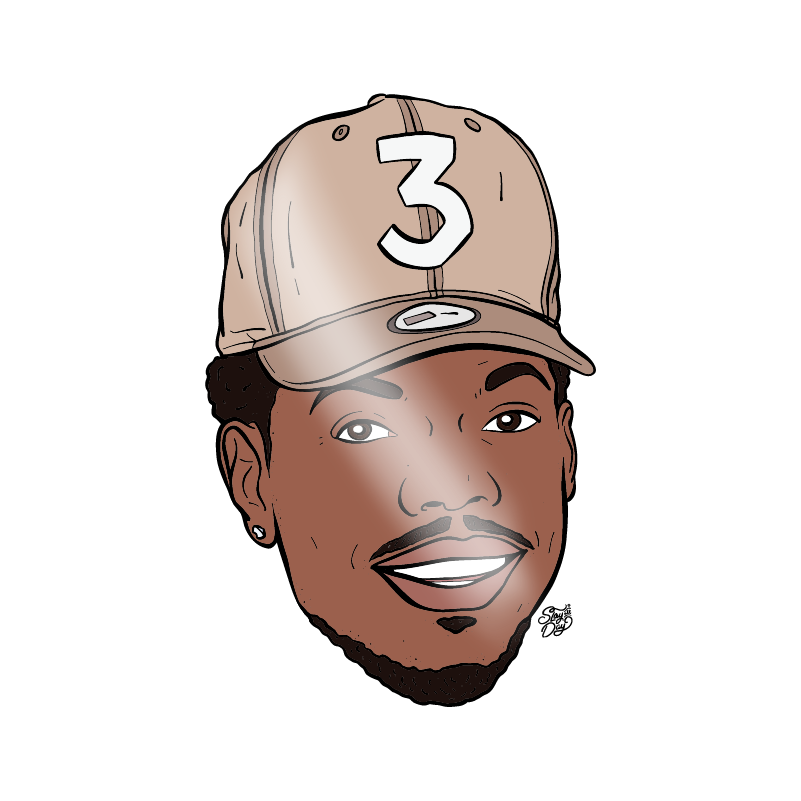
Chief Keef's “I Don't Like” puts Chicago drill on the map: cold, dark and direct. A year later Chance the Rapper shows the city's other side with Acid Rap.
2013–2018 Migos, Future and trap's takeover
Atlanta and Houston · Trap
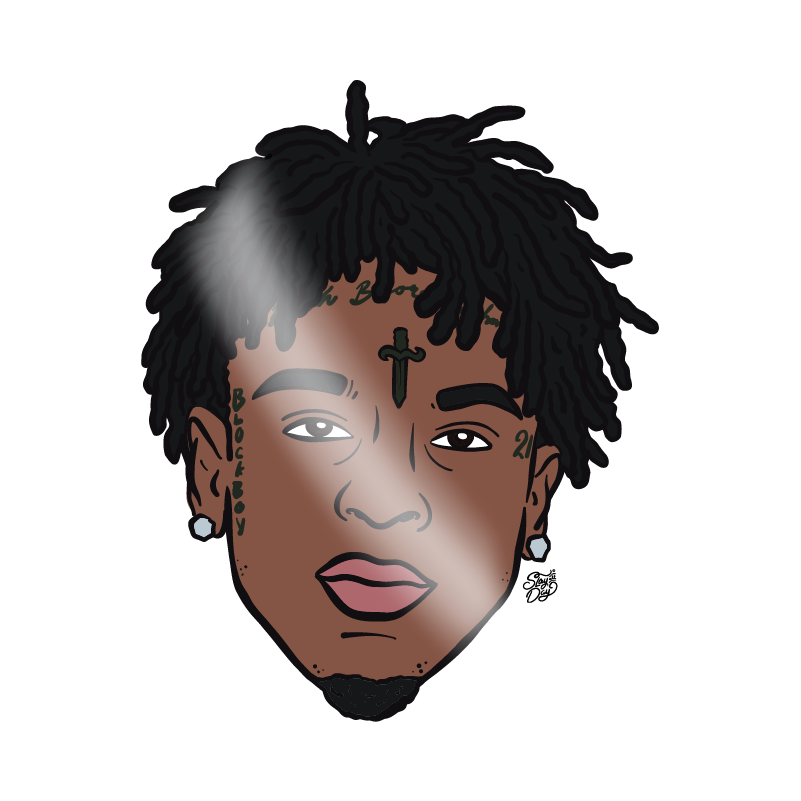
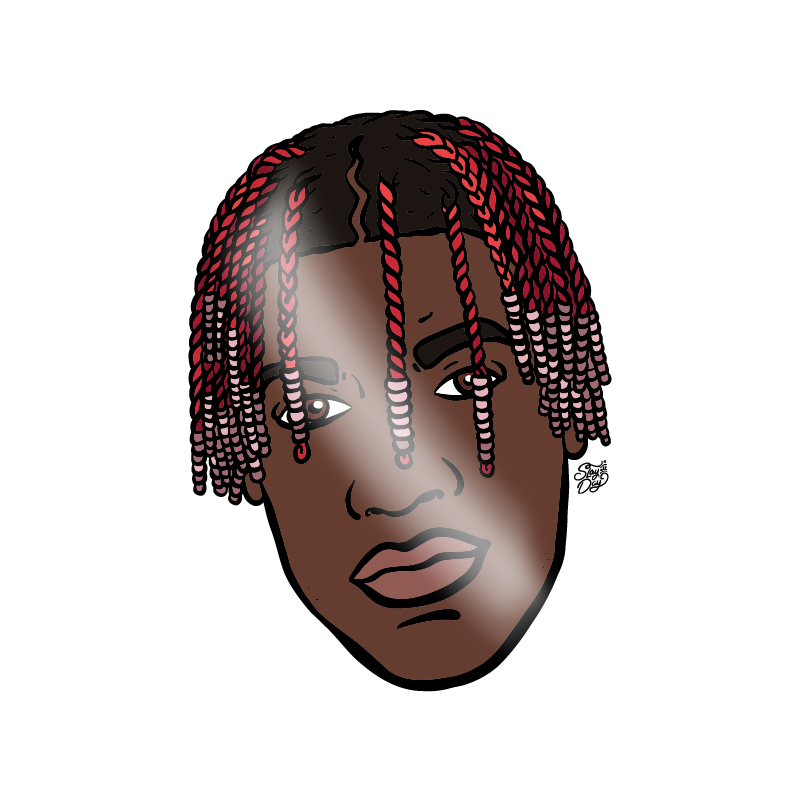
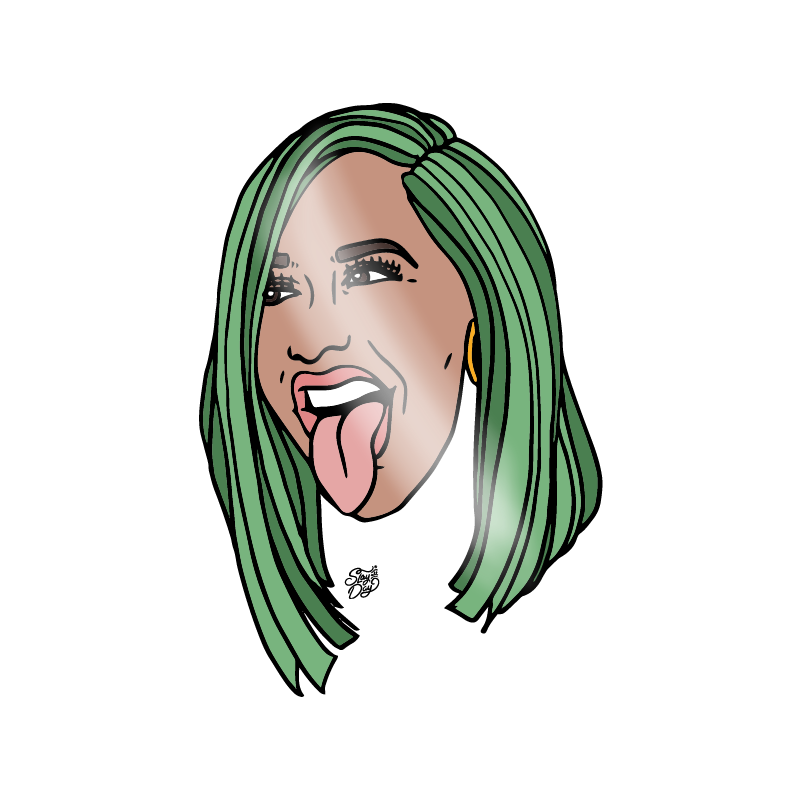
Migos invent their triplet flow, 21 Savage and Future rule the streets, and Travis Scott makes trap psychedelic with Astroworld. Lil Yachty and the SoundCloud generation break every rule, and Cardi B takes trap from the Bronx to number one.

2019–2023 Drill goes global: UK, Brooklyn and Bronx drill
London, Brooklyn and the Bronx · Drill
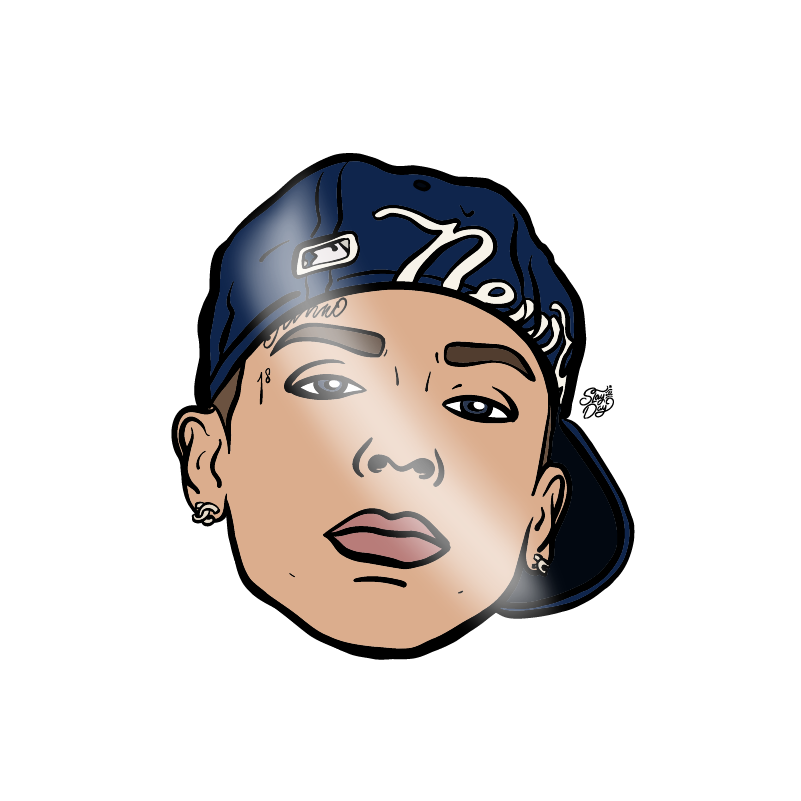
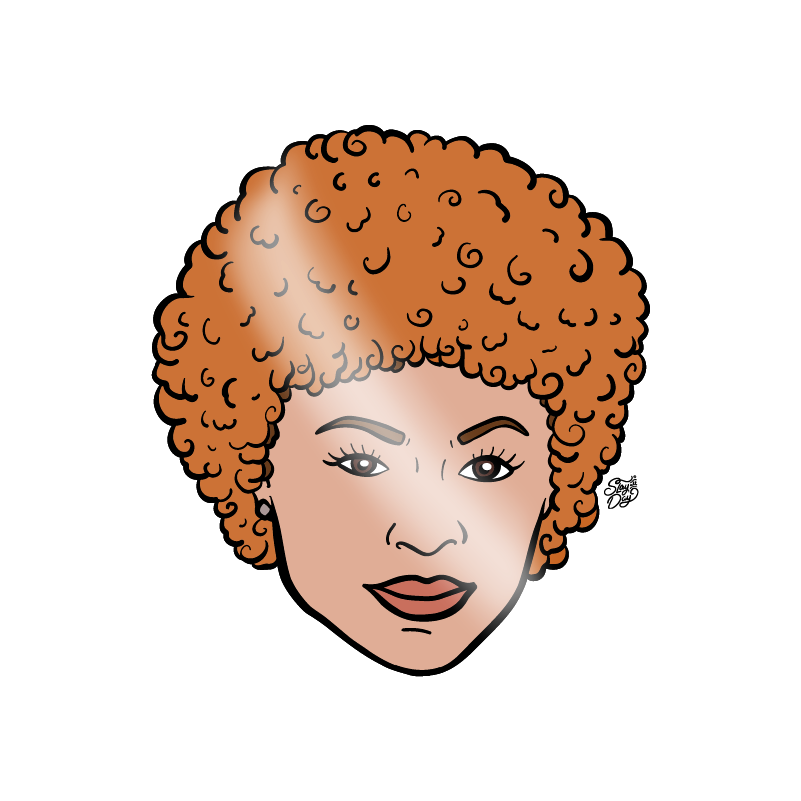
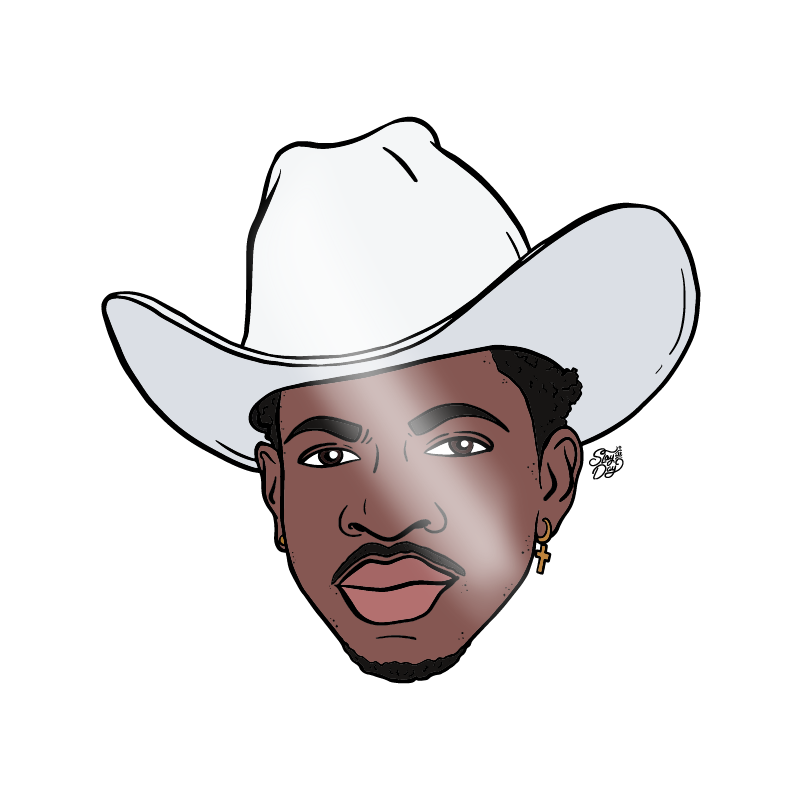
UK drill travels back across the ocean: Pop Smoke makes Brooklyn drill, and Ice Spice brings Bronx drill to the charts. Central Cee becomes a worldwide star, and Lil Nas X shows how TikTok can break a hit.
2023 Hip-hop turns 50
The Bronx, New York · Old School
On August 11, 2023, hip-hop turns 50. The celebrations go all around the world, and back to where it started: a party in the Bronx.
Hip-hop history at a glance
- 1973 DJ Kool Herc throws a party at 1520 Sedgwick Avenue in the Bronx: the birth of hip-hop.
- 1975–1979 Grandmaster Flash perfects DJ techniques and the first MCs, like Sha Rock, take the mic.
- 1979 The Sugarhill Gang release “Rapper's Delight”, the first rap hit.
- 1982 Grandmaster Flash and the Furious Five release “The Message”, the start of conscious rap.
- 1984–1986 Run-DMC, LL Cool J and the Beastie Boys take rap to MTV and the top of the charts.
- 1986–1988 Rakim, KRS-One and Public Enemy start the golden age of hip-hop.
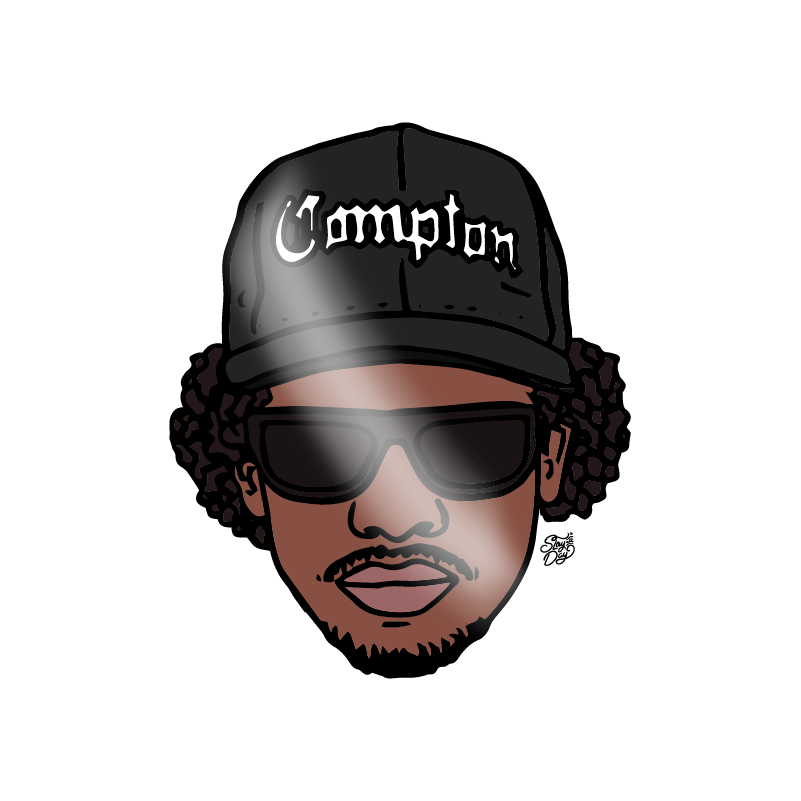
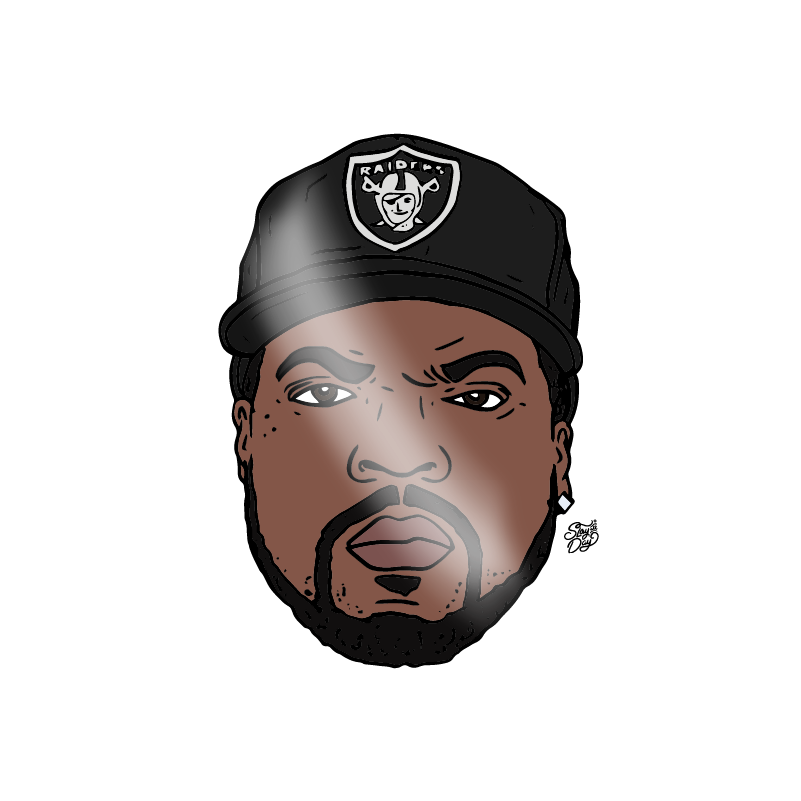
- 1988 N.W.A release Straight Outta Compton and put West Coast gangsta rap on the map.
- 1989 De La Soul, A Tribe Called Quest and Queen Latifah form the Native Tongues.
- 1989–1991 The Geto Boys in Houston and 2 Live Crew in Miami put the South on the map.
- 1991–1993 Dr. Dre's The Chronic and Snoop Dogg's Doggystyle create G-funk.
- 1993–1995 Wu-Tang Clan, Nas, The Notorious B.I.G. and Mobb Deep release New York classics.
- 1995–1997 The East vs. West rivalry ends with the deaths of Tupac (1996) and Biggie (1997).
- 1994–1998 OutKast make Atlanta a capital of hip-hop.
- 1996–1999 Cash Money, No Limit and Three 6 Mafia build the Dirty South.
- 1996–2001 Timbaland, Missy Elliott and the Neptunes make hip-hop the sound of pop radio.
- 1996–2000 Lauryn Hill's Miseducation becomes the first hip-hop album to win Album of the Year.
- 1999–2004 Eminem, J Dilla, Kanye West and Nelly put the Midwest on top.
- 2001–2003 Jay-Z's The Blueprint and 50 Cent's Get Rich or Die Tryin' rule the charts.
- 2003 T.I.'s Trap Muzik gives trap its name.
- 2003–2019 Grime and UK rap grow from London pirate radio to the Mercury Prize.
- 2008–2011 Kanye West's 808s & Heartbreak and Drake bring melodic rap to the top.
- 2010–2012 Odd Future, A$AP Rocky and Kendrick Lamar lead a new generation.
- 2012 Chief Keef's “I Don't Like” starts Chicago drill.
- 2013–2018 Migos, Future and Travis Scott make trap the sound of the world.
- 2019–2023 Drill spreads to London, Brooklyn and the Bronx; Ice Spice and Central Cee break through.
- 2023 Hip-hop celebrates its 50th birthday, back in the Bronx.
Frequently asked questions about hip-hop history
When was hip-hop born?
Hip-hop was born on August 11, 1973, when DJ Kool Herc played a back-to-school party at 1520 Sedgwick Avenue in the Bronx, New York. That date is celebrated as hip-hop's birthday; in 2023 the culture turned 50.
Who invented hip-hop?
No single person invented hip-hop, but DJ Kool Herc is called its father: he started looping the drum breaks of funk records for dancers. Grandmaster Flash and Afrika Bambaataa are usually named with him as hip-hop's founding DJs.
Where did hip-hop start?
Hip-hop started in the Bronx, New York, in the early 1970s, at block parties and community rooms in a borough hit hard by poverty. From there it spread to the rest of New York, then to Los Angeles, the South and the world.
What was the first rap song?
“Rapper's Delight” by The Sugarhill Gang (1979) was the first rap hit. A few weeks earlier the Fatback Band released “King Tim III (Personality Jock)”, which is often named as the very first rap record.
What are the four elements of hip-hop?
DJing, MCing (rapping), breaking (breakdancing) and graffiti. Many pioneers add a fifth element: knowledge.
What are the eras of hip-hop?
Roughly: old school (1973 to the mid-'80s), the golden age (mid-'80s to mid-'90s), the '90s of G-funk, the East vs. West rivalry and the rise of the South, the 2000s of moguls, the Midwest and the first trap, the 2010s of streaming, melodic rap and trap, and the 2020s of drill and global hip-hop. See all hip-hop eras.
When did trap and drill start?
Trap grew in Atlanta in the early 2000s and got its name from T.I.'s album Trap Muzik (2003). Drill started in Chicago around 2012 with Chief Keef's “I Don't Like”, and later spread to London, Brooklyn and the Bronx.
What are the main genres of hip-hop?
The main styles include old school, boom-bap, gangsta rap, G-funk, conscious hip-hop, jazz rap, trap, drill and grime. See all genres.
Keep digging
Every artist in this story has a page in the encyclopedia. See how they connect on the Hip-Hop Map, or browse by genre, era and region.